

Blog
Hair Growth Oils: 9 Natural Oils That May Help with Hair Loss

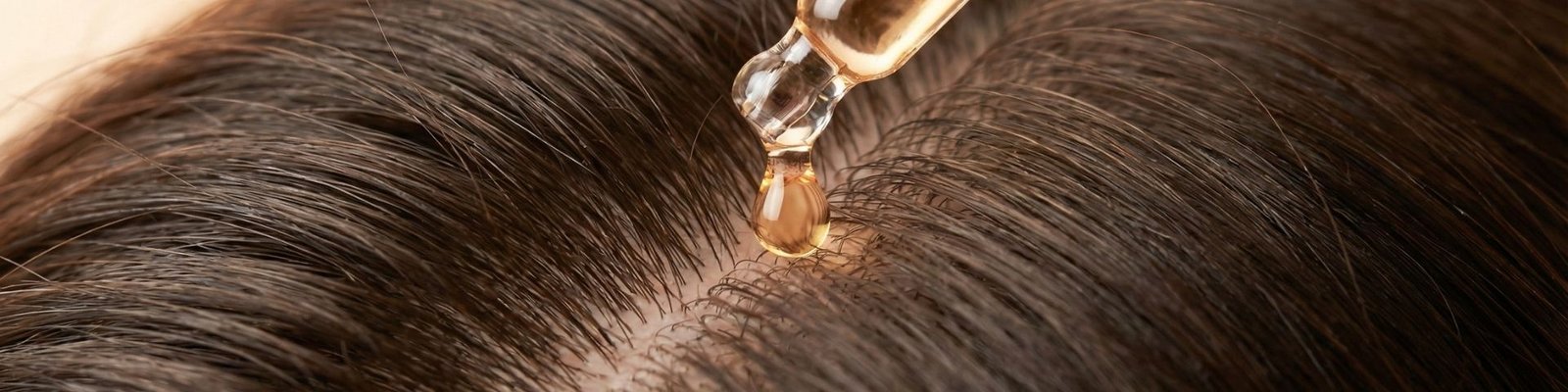
Although the phrase “hair growth oils” is commonly used in everyday language, a more scientifically accurate approach is this: natural oils do not create new hair follicles. However, by supporting the scalp barrier, reducing hair fiber damage, and improving the comfort of the follicular environment, they may help hair grow stronger and appear fuller.
What Are Hair Growth Oils?
Oils that benefit the hair can be divided into two main groups:
Carrier (Base) Oils
Examples include argan, coconut, jojoba, almond, and sesame oils. These oils may help support the lipid layer that coats the hair shaft, improving softness and elasticity.
Essential (Volatile) Oils
Examples include lavender, rosemary, tea tree, peppermint, and juniper oils. These contain more concentrated active compounds. Applying them directly to the scalp in their pure form may increase the risk of irritation, so they are typically diluted with a carrier oil before use.
The Effect of Natural Oils on Hair Loss
Hair loss can occur for many different reasons, including:
- Genetic predisposition (androgenetic alopecia)
- Triggers such as stress, fever, or rapid weight loss (telogen effluvium)
- Scalp inflammation
- Improper hair care habits
- Nutritional deficiencies
Protecting the Hair Shaft (Reducing Breakage and Damage)
Some studies suggest that certain oils can penetrate the hair shaft and help reduce protein loss. Coconut oil, for example, has been reported to help reduce protein loss from the hair fiber.
Scalp Comfort and Balance
In conditions such as dandruff, seborrheic tendency, or dryness and itching, suitable ingredients may help soothe the scalp. In a clinical study using a shampoo containing 5% tea tree oil, improvements in dandruff scores were reported.
Microcirculation and the Follicular Environment
There is limited but notable clinical data on some essential oils, particularly rosemary oil. In a study comparing rosemary oil with 2% minoxidil in androgenetic alopecia, both groups showed an increase in hair count after six months.
Key Components That Support Hair Growth
- Fatty acids (e.g. lauric, oleic, linoleic acids): May interact with the outer layer of the hair shaft, supporting softness and resilience.
- Antioxidants (e.g. tocopherols / Vitamin E derivatives): May help reduce the negative effects of oxidative stress on the scalp.
- Phytosterols and phenolic compounds: May support the lipid architecture of the scalp barrier and improve comfort.
- Terpenes (characteristic components of essential oils): Some terpenes are preferred for oily or dandruff-prone scalps due to their balancing and purifying profiles (tolerance varies by individual).
Benefits of Hair Growth Oils
When selected and applied correctly, natural oils may contribute to a fuller appearance by reducing the cycle of breakage and damage often associated with hair loss.
Nourishing and Strengthening the Scalp
The scalp acts as the foundation where hair grows. When the barrier is weakened—due to dryness, sensitivity, over-cleansing, frequent heat styling, or similar factors—it can become more reactive.
Carrier oils may help by:
- Acting as emollients to reduce moisture loss
- Increasing comfort when applied with scalp massage
- Serving as a dilution base for essential oils
Stimulating Circulation and Supporting Hair Growth
Natural oils do not create new follicles. However, the mechanical effect of massage and the sensory stimulation provided by some essential oils (such as a cooling sensation) may help maintain a consistent care routine.
Repairing Hair Fibers and Reducing Breakage
Hair fibers are not living tissue. The term “repair” here refers to reducing surface lipid loss and minimizing friction. Factors that increase breakage include:
- Heat styling (blow-dryers, straighteners)
- Hair dye and bleaching processes
- Tight hairstyles and mechanical tension
- Improper brushing habits
Dermatologists emphasize reducing styling damage—lowering heat, handling wet hair gently, and avoiding excessive tension—to manage thinning caused by breakage.
9 Oils That May Help with Hair Loss
Argan Oil – Strengthening and Adding Shine
Rich in oleic and linoleic acids and tocopherols, argan oil is commonly positioned as a care oil for mid-lengths and ends to:
- Reduce dullness
- Minimize friction
- Improve smoothness and shine
Coconut Oil – Nourishing the Scalp and Supporting Moisture Balance
Coconut oil is known for its ability to partially penetrate the hair shaft, which may help reduce protein loss.
Jojoba Oil – Balancing Natural Oil Production
Technically a liquid wax ester, jojoba closely resembles natural sebum. This makes it suitable for:
- Oily-prone scalps seeking a lighter feel
- Use as a carrier oil that provides comfort without weighing hair down
Lavender Oil – Supporting Hair Growth
Animal model data exists for lavender oil. In studies using C57BL/6 mice, topical lavender oil application was associated with improvements in follicular parameters.
Rosemary Oil – Activating Hair Follicles via Circulation
Rosemary oil is one of the few essential oils studied in direct clinical comparison. In a randomized trial comparing rosemary oil with 2% minoxidil for androgenetic alopecia, increased hair count was reported in both groups after six months.
Juniper Oil – Supporting Follicle Nutrition and Reducing Inflammation
Juniper oil is often associated with balancing and purifying scalp care. When properly diluted, it may be incorporated into routines for oily scalps or product buildup.
Almond Oil – Caring for Hair Ends and Improving Elasticity
Sweet almond oil is commonly used as a carrier oil for mid-lengths and ends to:
- Reduce friction during brushing
- Improve flexibility
- Calm dry or rough appearance
Tea Tree Oil – Protection Against Dandruff and Scalp Issues
Tea tree oil is particularly relevant for dandruff and seborrheic tendencies. In a randomized clinical study, a shampoo containing 5% tea tree oil showed greater improvement in dandruff scores compared to placebo after four weeks.
Peppermint Oil – Refreshing the Scalp and Supporting Follicle Clarity
Peppermint oil provides a noticeable cooling sensation due to its menthol content. Animal studies have reported improved hair growth parameters following topical application.
Additional Recommended Natural Oils
Carrot Seed Oil – Supporting Scalp Care and Color Appearance
With antioxidant components, carrot seed oil may support hair exposed to environmental stressors. In colored hair, the goal is not color fixation but improving smoothness and shine so the color appears more vibrant.
Sesame Oil – Intensive Moisture for Dry Hair
Sesame oil has a richer texture and may be preferred for very dry or frizzy hair, especially on the mid-lengths and ends. Quantity control is important for fine hair to avoid heaviness.
How Should Hair Growth Oils Be Used?
Effectiveness often depends more on how and how consistently oils are used than on the specific oil chosen.
Ways to Incorporate Oils into a Routine
- Pre-wash treatment: Apply to mid-lengths and ends, leave for 30–60 minutes
- Scalp massage (diluted): Essential oil + carrier oil, short massage at the roots
- End serum: Use a very small amount during the day to reduce frizz
Application Frequency and Duration
- 2–3 times per week: Diluted scalp massage (5–10 minutes), followed by gentle cleansing
- 1–2 times per week: Pre-wash treatment for lengths (especially coconut, argan, almond)
- Daily: 1–2 drops on ends only (for dry or frizzy hair)
Choosing Oils by Hair Type
| Hair / Scalp Need | Recommended Oils | Notes |
|---|---|---|
| Fine, easily weighed down | Jojoba, minimal argan | Coconut may feel heavy |
| Dry, frizzy, color-treated | Argan, almond, small amount of sesame | Avoid heavy root application |
| Dandruff / itch tendency | Tea tree (formulated), jojoba base | Do not apply essential oils neat |
| Oily scalp, buildup | Jojoba base, diluted peppermint | Excessive oiling may clog |
| Breakage-focused thinning | Coconut (pre-wash), argan (ends) | Styling habits must be corrected |
Additional Tips to Reduce Hair Loss
Oils alone may not be sufficient. Because hair loss is multifactorial, a combined internal and external approach is most rational.
Nutrition and Supplement Support
The goal is not universal supplementation, but correcting deficiencies if present. Common evaluation points include:
- Adequate protein intake
- Iron stores (ferritin) and B-group vitamins
- Vitamin D and zinc
Proper Hair Care Habits
A fuller appearance often begins with reducing breakage. Dermatologists emphasize limiting heat, being gentle with wet hair, and avoiding styles that cause excessive tension.
Mistakes to Avoid
- Applying essential oils directly without dilution
- Leaving heavy oils on the scalp overnight, especially on oily or dandruff-prone skin
- Over-cleansing and weakening the scalp barrier
- Rough brushing of wet hair, tight hairstyles, excessive heat
- Focusing on a single product without investigating the cause of hair loss
Frequently Asked Questions About Hair Growth Oils
Do hair growth oils really create new hair?
No. Oils generally do not create new follicles, but they may help hair grow stronger and appear fuller by supporting scalp conditions and reducing breakage.
Which natural oil is best for hair loss?
There is no single best oil. Rosemary oil stands out due to clinical data in androgenetic alopecia. For breakage-related thinning, coconut (pre-wash) and argan (ends) may be more suitable.
Should oils be applied directly to the scalp?
Carrier oils may be used on the scalp for some individuals. Essential oils should generally be diluted to reduce irritation risk. Patch testing is recommended.
How long does it take to see results?
Hair cycles progress slowly. Visible changes typically require at least 8–12 weeks of consistent use, with some clinical studies evaluating outcomes at 6 months.
Can rosemary oil be used daily?
Daily use may increase irritation risk. A safer approach is low-concentration dilution 2–3 times per week, adjusted based on tolerance.
Is tea tree oil a definitive solution for dandruff?
No definitive solution exists, but clinical studies with 5% tea tree oil shampoo have shown improvements. Dandruff can fluctuate due to stress, seasonality, and other factors.
Does coconut oil weigh down fine hair?
Yes, it can. Using smaller amounts, limiting to mid-lengths and ends, and reducing leave-in time can help. Jojoba is a lighter alternative.
Is mixing multiple oils more effective?
Simple combinations often work well (e.g. jojoba + 1–2 drops essential oil). Using too many essential oils increases irritation risk. Fewer ingredients at lower concentrations is safer.
Which oils suit sensitive scalps?
Jojoba is generally well tolerated. Essential oils should be used at very low concentrations and patch-tested.
What if peppermint oil causes burning?
Stop use immediately, cleanse gently with lukewarm water and a mild shampoo, and consult a dermatologist if symptoms persist. Future use should be avoided or diluted further.
For damaged hair needing smoother, shinier ends, Bioxcin Keratin & Argan Repair Hair Care Oil can be a complementary option, combining hydrolyzed keratin and argan oil for nourishment and moisture support, while targeting anti-hair-loss care with its BioComplex B11 content.
References
- PubMed – Rosemary oil vs minoxidil 2% for the treatment of androgenetic alopecia: a randomized comparative trial
- PubMed – Treatment of dandruff with 5% tea tree oil shampoo
- American Academy of Dermatology – Do you have hair loss or hair shedding?
- American Academy of Dermatology – Hair styling without damage
- DermNet – Telogen effluvium (hair shedding)
- NHS Wales – Aromatherapy Guideline (dilution example)
- Mayo Clinic – Essential Oils (dilution and topical safety notes)